
Glutathione and Skin Glow: Hype or Science?
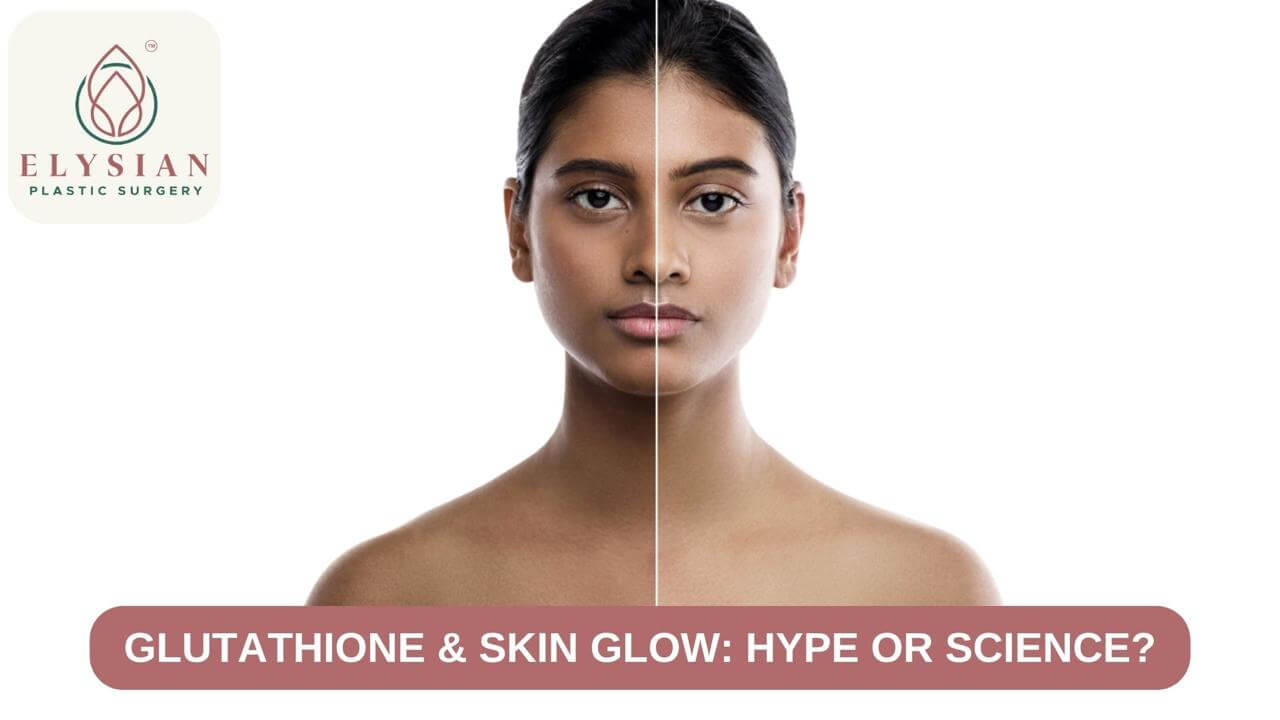
Glutathione has received considerable attention in the beauty and wellness industry and is frequently referred to as the “master antioxidant.” It is often associated with promoting healthy skin. This blog will examine what Glutathione and Skin Glow is, its mechanisms of action, and what clinical research indicates about its effects on skin tone and overall health.
What is Glutathione?
Glutathione is a powerful antioxidant found in every cell of the human body. It is composed of three amino acids: glutamine, glycine, and cysteine. Unlike dietary antioxidants (like vitamin C or E), glutathione is produced naturally in the liver. Think of it as your body’s ultimate detoxifier and skin protector. It fights off harmful free radicals (those sneaky molecules that speed up aging), supports your immune system, and even helps regenerate other antioxidants like vitamin C and E.
The Science Behind Glutathione and Skin Brightening
Several clinical studies have shown that glutathione has skin-lightening effects by following mechanism of Action:
· Inhibits Tyrosinase: This is the enzyme responsible for melanin production. By suppressing this enzyme, glutathione reduces pigmentation and dark spots.
· Antioxidant Protection: It reduces oxidative stress in skin cells, preventing aging and dullness.
· Detoxification: Helps flush out toxins that can cause uneven skin tone or acne-related inflammation.
Clinical Studies: What Does the Research Say?
Oral Glutathione:
A 2012 randomized controlled trial published in the European Journal of Clinical Pharmacology showed that oral glutathione supplementation (500 mg/day for 4 weeks) significantly reduced melanin levels in participants with hyperpigmentation.
Sublingual Glutathione:
A 2022 study from Dermatology Reports found that sublingual glutathione had higher bioavailability and provided visible skin lightening within 8 weeks, especially when combined with vitamin C.
IV Glutathione:
Though popular in clinics, IV glutathione therapy lacks large-scale randomized trials. However, anecdotal evidence and small studies suggest rapid improvement in skin tone,
often within 3–6 sessions. Risks and regulatory concerns exist, so this method should be done under medical supervision.
What Forms of Glutathione Are Available?
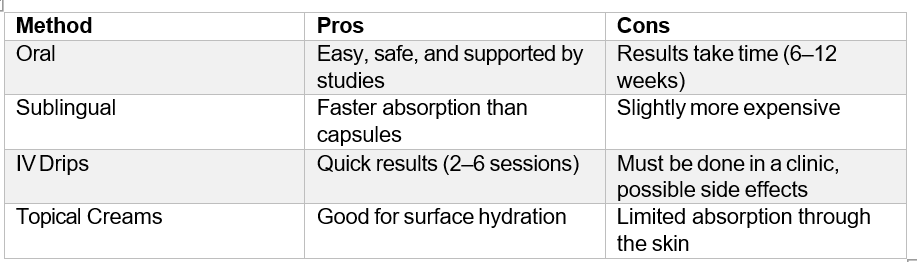
Here’s a quick look at the most common ways people use Glutathione for skin glow:
Should You Use Topical Glutathione?
Topical products with glutathione are increasingly popular, but their skin penetration is limited. For surface glow, they may help, but systemic treatments (oral or IV) show more significant results in studies.
How Long Does It Take to See Results?
This varies depending on the method of administration and individual skin type:

Maintaining results requires consistent usage and supportive skincare and diet.
Enhancing Natural Glutathione Production
Although supplements and intravenous (IV) therapy are widely utilised, the human body possesses a remarkable intrinsic capacity to synthesise Glutathione. The following strategies can effectively support and enhance endogenous Glutathione production:
· Diet: Incorporate foods such as spinach, avocados, garlic, turmeric, and asparagus into your meals.
· Micronutrients: Ensure adequate intake of Vitamin C, Vitamin E, selenium, and B- complex vitamins.
· Lifestyle Factors: Maintain regular sleep patterns, stay well-hydrated, and limit alcohol consumption and smoking.
Takeaway: Is the Glow Worth It?
Glutathione’s role in promoting a healthy, glowing complexion is scientifically backed, especially through oral and sublingual routes. However, it is important to have realistic expectation with Glutathione, it is unlikely to cause dramatic changes in your natural complexion or quickly remove deep pigmentation overnight. The key to lasting skin health is a holistic approach: combining antioxidants, sun protection, hydration, and professional guidance.
If you are considering Glutathione therapy? Get professional advice to choose the right form, dose, and frequency based on your skin type, health history, and goals.