
How Long to Wear a Compression Vest after Gynecomastia Surgery In Surat?
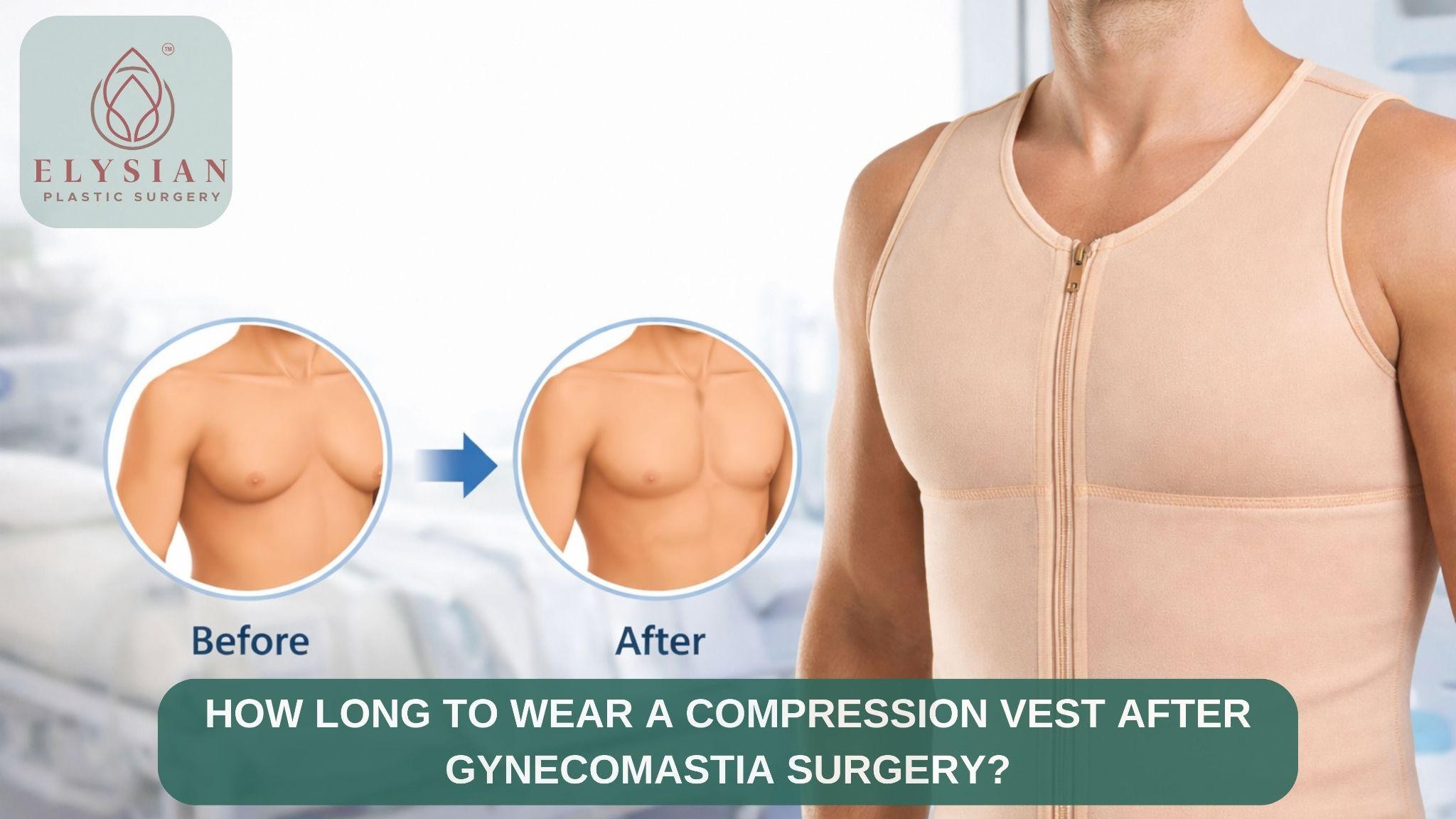
Recovery from a surgery is a journey of its own. Patients often focus on the procedure, but the aftercare is what shapes the final result. One small piece of fabric ends up being a huge part of that story. The famous compression vest. It looks simple. It definitely isn’t.
You’ve probably heard different timelines from friends or from online forums. Some people say two weeks. Some say two months. A few say they stopped early and felt fine. So what’s the real answer? It depends, but the short version is that most surgeons recommend wearing it for a minimum 16–18 hrs a day for initial 4 to 6 weeks and then 12–14 hrs a day for further 2–4 weeks. The long version is where things get interesting. Let’s hear it from our board-certified plastic surgeon Dr Sudhir Navadiya, known for performing Best Gynaecomastia Surgery Centre In Surat from Elysian Plastic Surgery Centre.
Why the Vest Matters So Much
If you’ve ever worn a tight tee after a workout, you know that slightly squeezed feeling. Now imagine a gentler version of that on your chest for several weeks. It feels a little annoying at first, but the vest helps more than people expect.
Right after surgery, your body is confused. It starts filling the space with fluid. Swelling takes over. The vest keeps that swelling under control. It also guides the skin to settle smoothly over the new contours. People describe the feeling as steady pressure that reminds your skin where it should be. Surgeons from the best plastic surgery centre in Surat, Elysian Plastic Surgery Centre, warn that without the vest you risk uneven healing or form hard lumps that take months to resolve.
And then there’s comfort. Some people actually end up liking the vest because it makes their chest feel stable. Imagine walking around without it in the first week. Every small movement feels exaggerated. The vest holds everything in place so your body can focus on healing instead of reacting to every step.
Weeks One to Two. The Strict Stage.
You have to wear the vest for 16–18 hrs a day during this phase. You can take it off to shower, during sleep etc. The chest is still swollen and tender and honestly, you’ll want the support. It’s normal to feel a bit itchy under it. Warm weather makes it even more noticeable. A lot of people dab a little unscented moisturizer after a shower to stop the skin from feeling tight.
During these first weeks, don’t think about whether you’re doing enough or too much. Just keep it on and let the body settle. This stage lays the foundation for everything that follows.
Weeks Three to Four. Time to Adjust.
This is when things shift. Our team of best plastic surgeons in Surat advises to shift to a lighter vest or make you wear the original one for shorter stretches. You’ll feel more like yourself around this time. The swelling comes down. Clothes start fitting better. You may even forget you’re wearing the vest for a few hours because the chest feels less sensitive.
Still, it’s not time to ditch it. You have to wear the vest for 16–18 hrs a day during this phase too. The tissues are healing underneath and they’re softer than they seem. Some men notice that when they skip the vest for long periods, the chest looks puffier by evening. That’s a sign your body still benefits from the compression.
Weeks Five to Six. The Home Stretch.
By this point, the chest usually looks much more defined. The vest turns into more of a support tool than a requirement. Many people wear it during the day and skip it at night or the other way around, but still keep it on for 14–16 hrs a day. It depends on how your swelling behaves. The one thing to avoid is stopping suddenly. If your body still holds a little fluid, dropping the vest altogether can make the swelling bounce back.
Think of it like easing out of a workout routine. You taper. You don’t slam the brakes.
What If You Stop Early?
You won’t fall apart. Let’s be real. But you might slow down your healing or make the final result slightly less smooth. The vest is there to help your skin stick to the new shape. Your surgeon isn’t being dramatic when they insist on it. They’ve seen how unpredictable swelling can be.
Doctors experienced in performing the best gynecomastia surgery in Surat say that a lot of men who stop early end up putting the vest back on after noticing puffiness or discomfort. So even if you feel fine, give your chest the support it needs.
The Real Answer
Wear the vest as long as your surgeon says. Most surgeons recommend wearing it for a minimum 16–18 hrs a day for initial 4 to 6 weeks and then 12–14 hrs a day for further 2–4 weeks. A few need longer. A few get the green light sooner. Everybody heals at its own pace.
If you’re ever unsure, ask yourself one simple question. Does my chest still swell by the end of the day? If the answer is yes, keep the vest on a bit longer.
Healing is not a race. Think of the vest as a small investment for a result you’re going to live with for years.
FAQ
1. After surgery for gynaecomastia, how long do I need to wear a compression vest?
Most of the time, people wear the compression vest for 16–18 hrs a day for initial 4 to 6 weeks and then 12–14 hrs a day for further 2–4 weeks.
2. Do I have to wear the compression vest all the time?
Yes, especially in the first few weeks. You should wear it almost all the time, taking it off only to bathe or clean.
3. Why is it important to wear a compression vest after surgery?
The vest helps keep swelling down, support healing tissues, and shape the chest correctly, which makes the results look smoother and more natural.
4. If I feel fine, can I stop wearing the vest early?
Stopping too soon can make swelling worse or change the shape of your chest, even if you feel fine. Following the full recommended time is best.
5. Is it normal to feel tight or uncomfortable in the vest?
It is normal and expected to feel a little tight. But it shouldn’t hurt, make it hard to breathe, or make you feel numb. If it does, tell your surgeon.
6. When can I only wear the vest during the day?
After 4–6 weeks, many patients can cut back on how long they wear the device, bringing it to 12–14 hrs but your surgeon should always confirm that it’s safe to do so.